The Role of Case Management in Complex Spinal Cord Injury Recovery
Complex spinal cord injury recovery rarely follows a straight path from hospitalization to rehabilitation and return to work. Patients may move through multiple levels of care…

Complex spinal cord injury recovery rarely follows a straight path from hospitalization to rehabilitation and return to work. Patients may move through multiple levels of care…

The timing of case management can influence how effectively a claim moves forward.When an injury or illness affects an employee’s ability to work, multiple priorities begin…
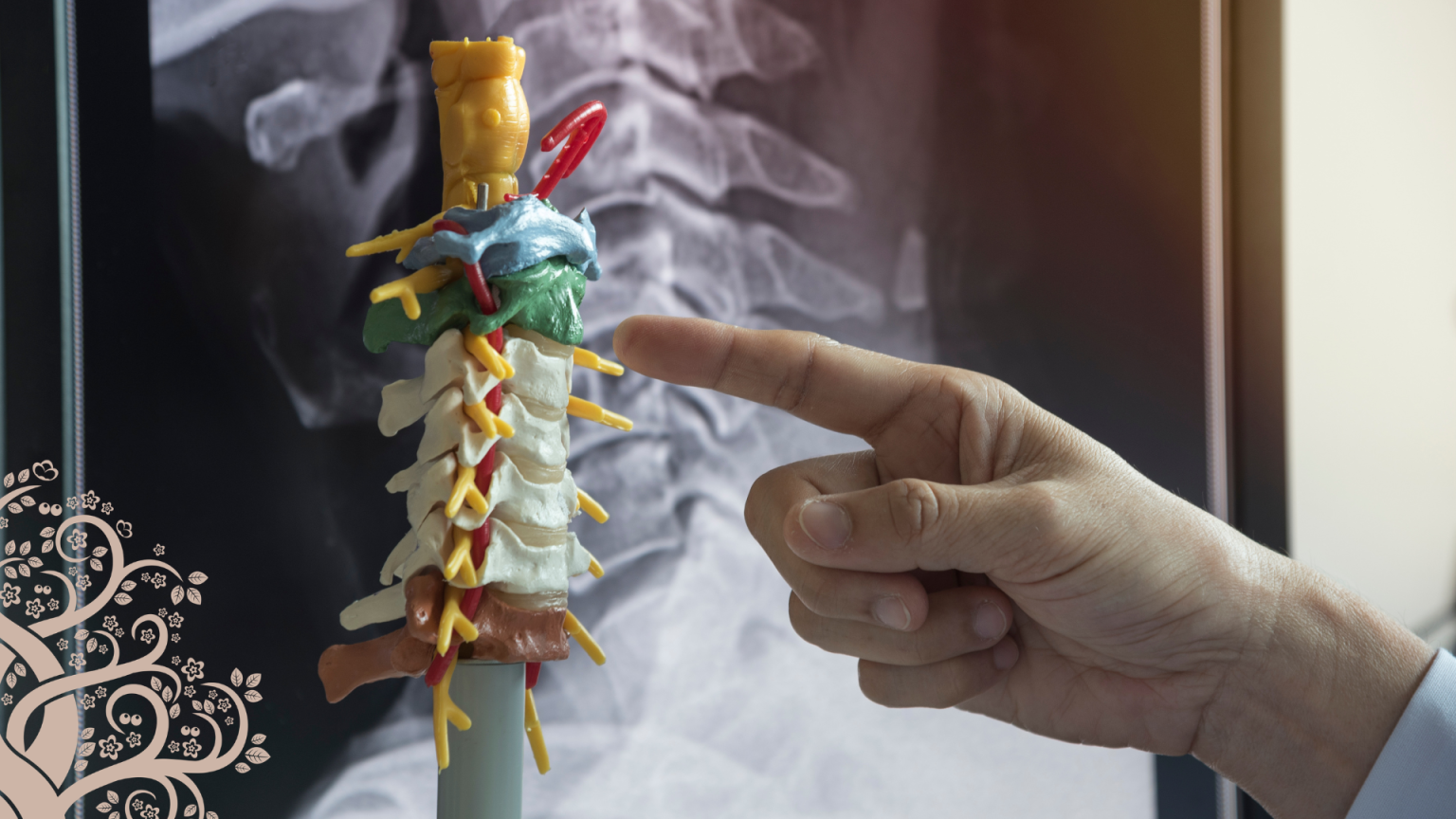
Low back pain is one of the most common and costly conditions affecting today’s workforce. It is the leading cause of disability in the United States…

Traumatic brain injuries (TBIs) and concussions are complex conditions that can lead to persistent symptoms such as dizziness, headaches, fatigue, cognitive challenges, and balance instability. These…

A worker is injured in an ATV rollover. He can move his hand, but his shoulder and elbow are completely paralyzed. He’s told by several providers…

Post-traumatic stress disorder (PTSD) can affect functioning well beyond the initial traumatic event. Symptoms commonly intersect with sleep, pain, mood, concentration, and the body’s stress response.…
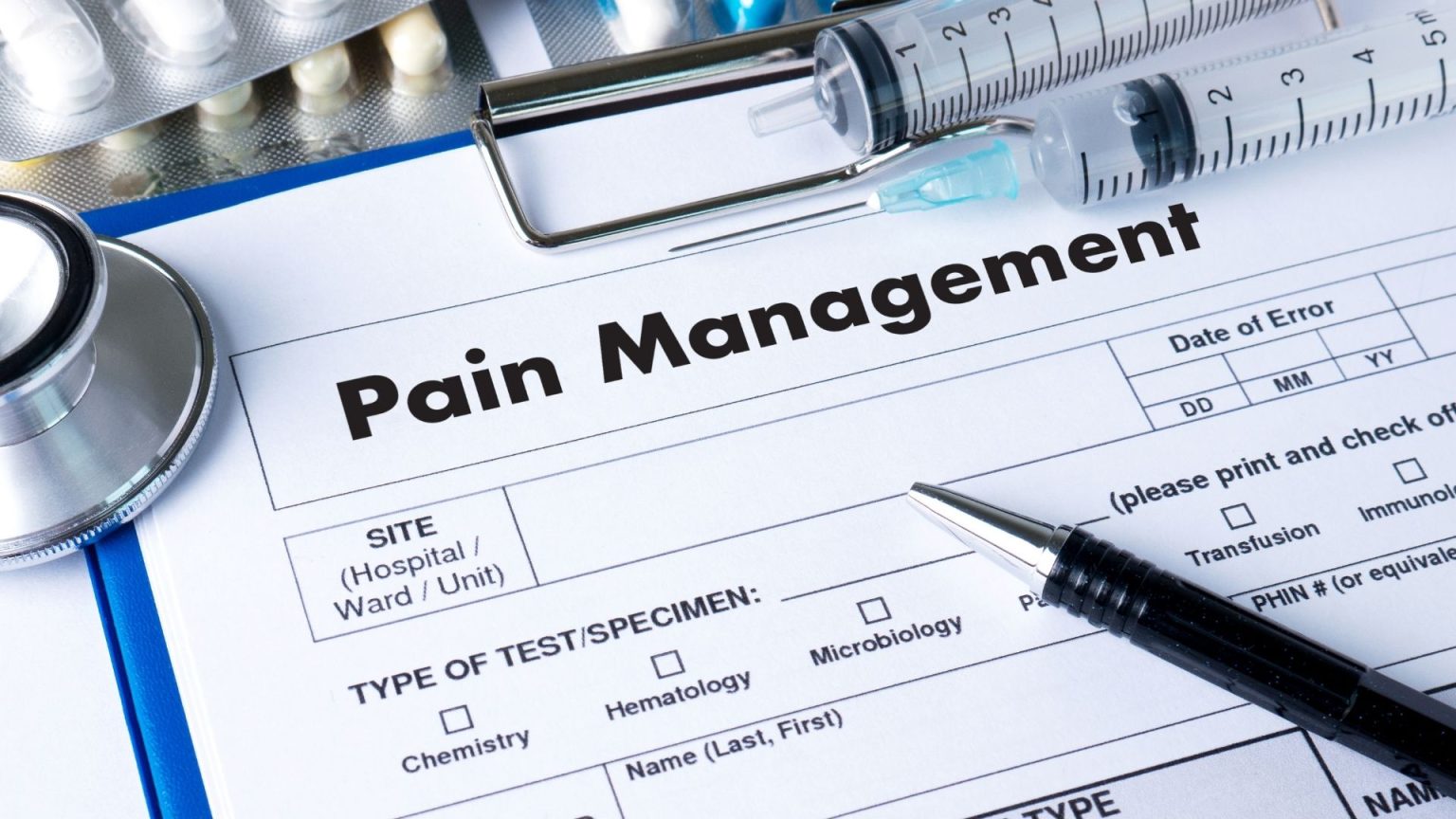
Invasive pain management is one of the most rapidly evolving areas in modern medicine—especially in workers’ compensation and medico-legal cases where pain can become a long-term…

Returning to work after a workplace injury involves far more than medical treatment alone. While physical healing is essential, successful recovery also depends on coordinated care,…

A diagnosis of Post-Traumatic Stress Disorder (PTSD) is often just the beginning of the recovery journey. While therapy, medication, and other clinical treatments play an important…

A worker reaches for a falling box, feels a pop in the elbow, and within weeks their file has stalled, not because the injury is unusual,…
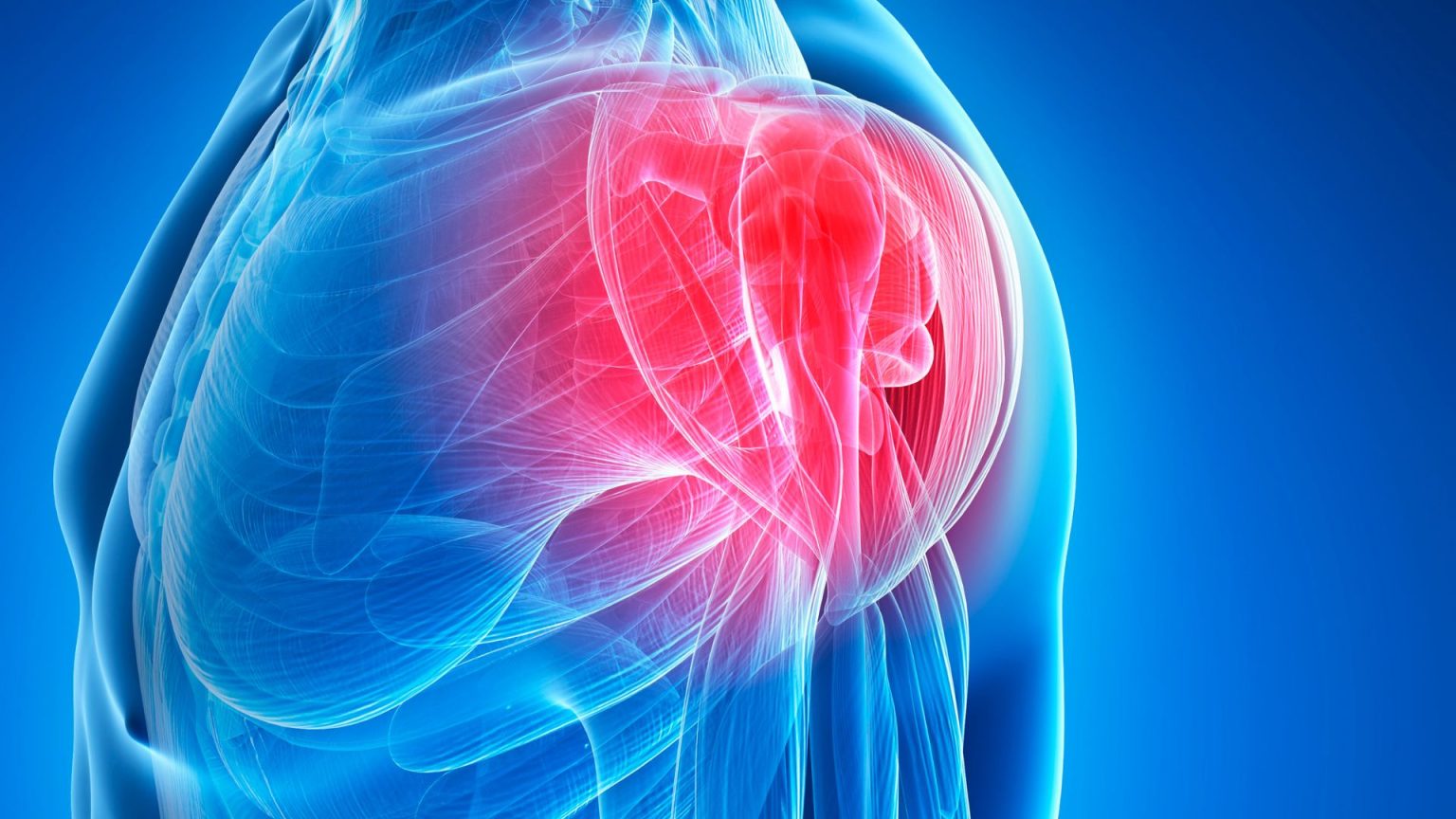
Introduction: Why Shoulder Labral and Biceps Injuries Matter Labral tears and biceps tendon injuries are among the most frequently diagnosed shoulder conditions in individuals whose work…

When a worker leaves for a shift and returns without a limb, the impact extends far beyond the operating room. In workers’ compensation, you are not…
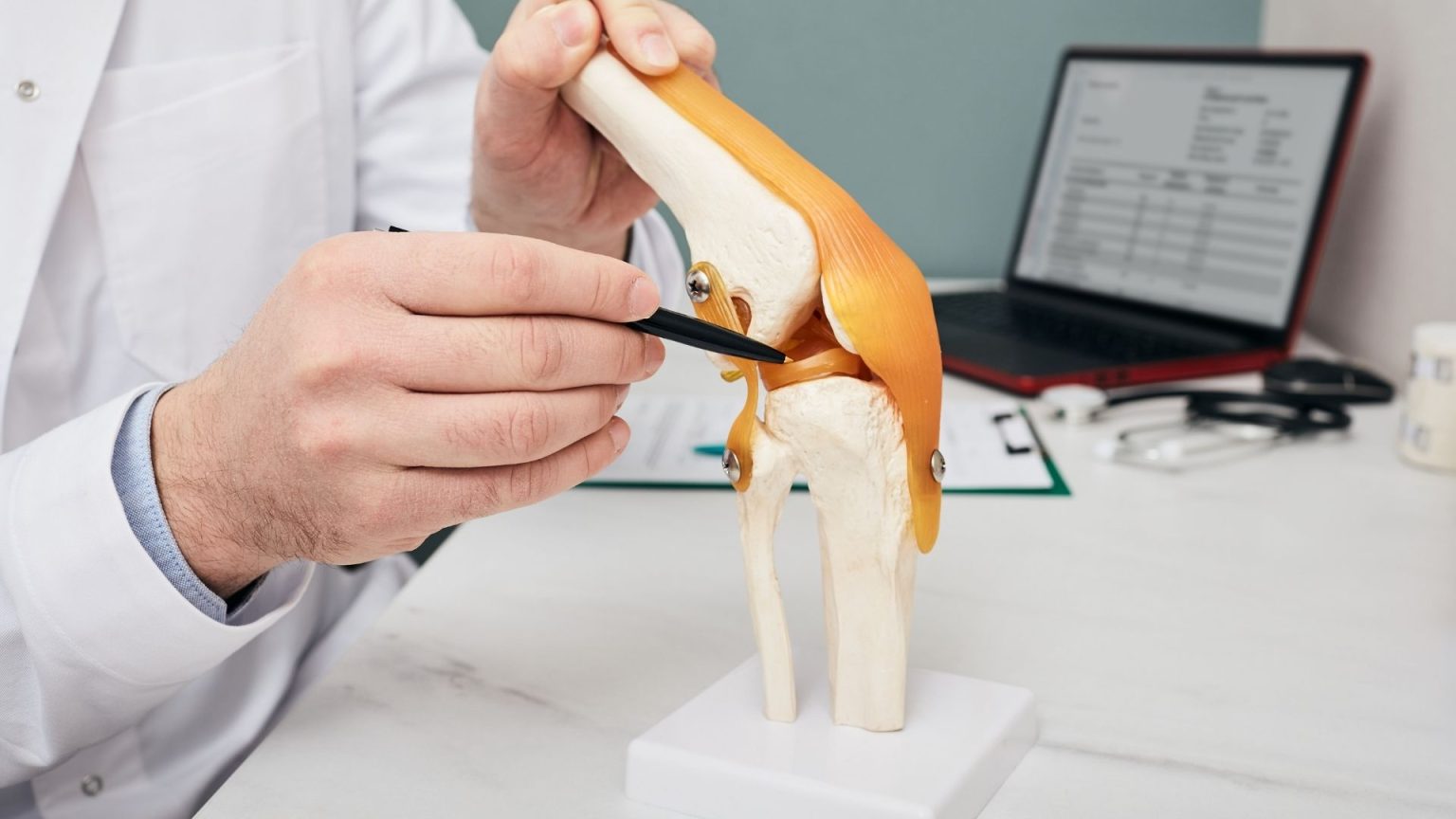
Meniscus tears are one of the most common and impactful knee injuries, affecting mobility, stability, and long-term joint health. For years, there has been debate about…
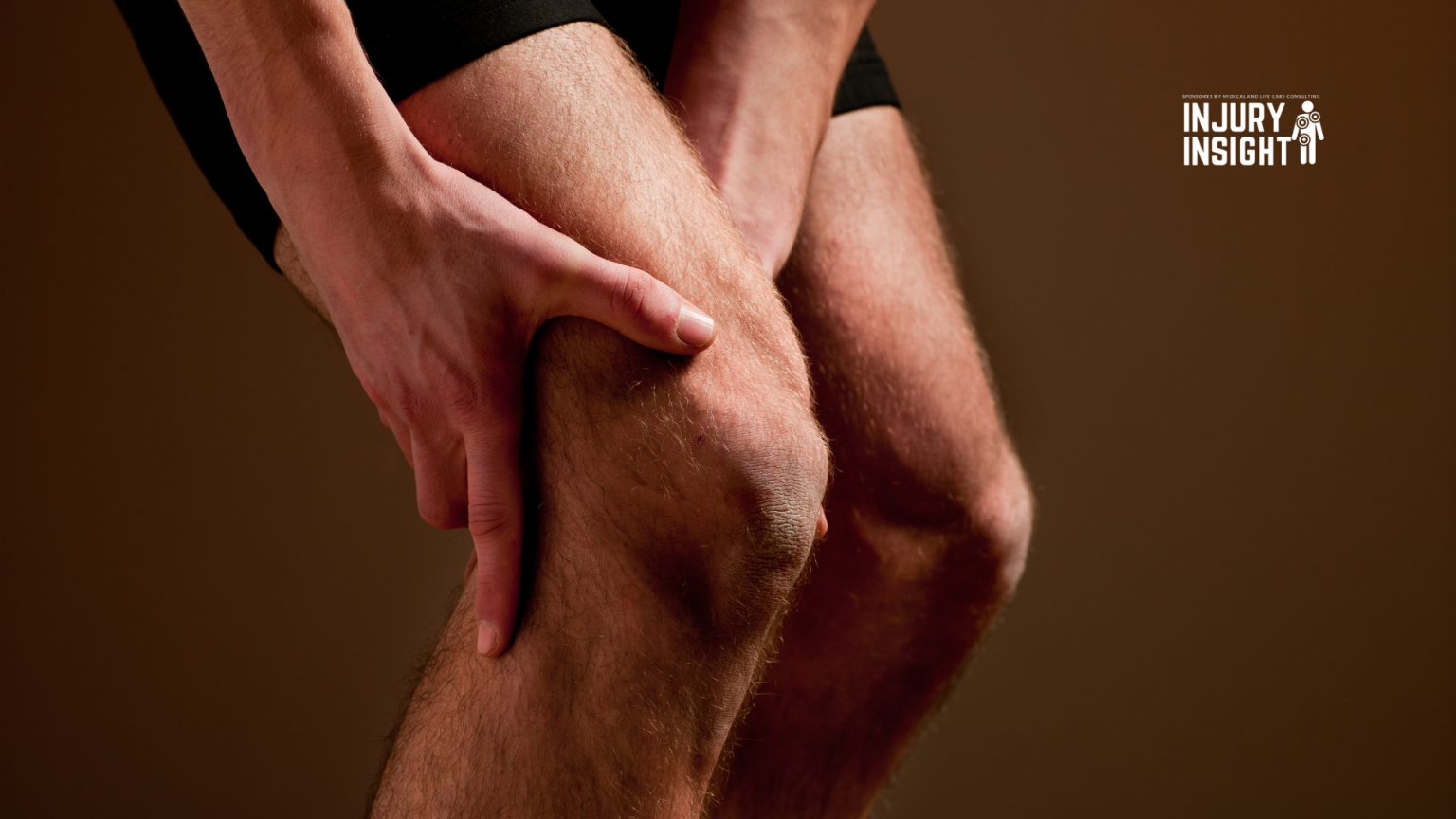
Knee injuries impact far more than movement. They affect independence, confidence, and overall quality of life. For individuals whose work or lifestyle depends on physical activity,…

The transition from hospital to home represents a defining moment in the recovery journey for patients who have suffered catastrophic injuries. While returning home is a…
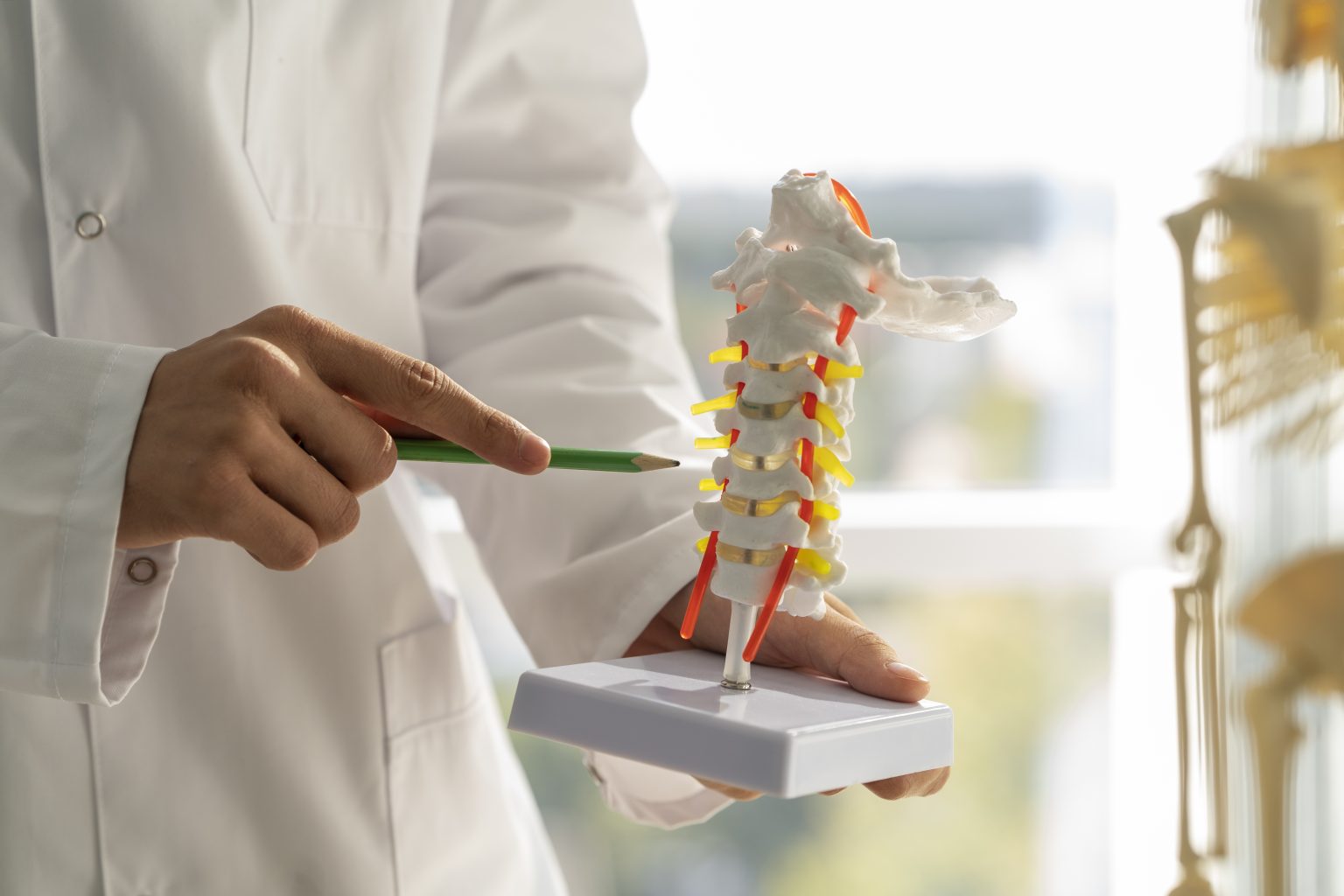
This Injury Insight session provides an in-depth look into regenerative orthopedics and its application to common orthopedic conditions. Presented by Dr. Kai Mithoefer, a leading orthopedic…

In the fourth and final session of the Injury Insight series, Dr. Charles Cassidy—Chairman of Orthopedics at Tufts University—shared invaluable perspectives on the diagnosis, treatment, and…

Workers’ compensation claims often involve predictable injury patterns that, when not managed early, can lead to prolonged recovery times and increased claim costs. Three categories stand…
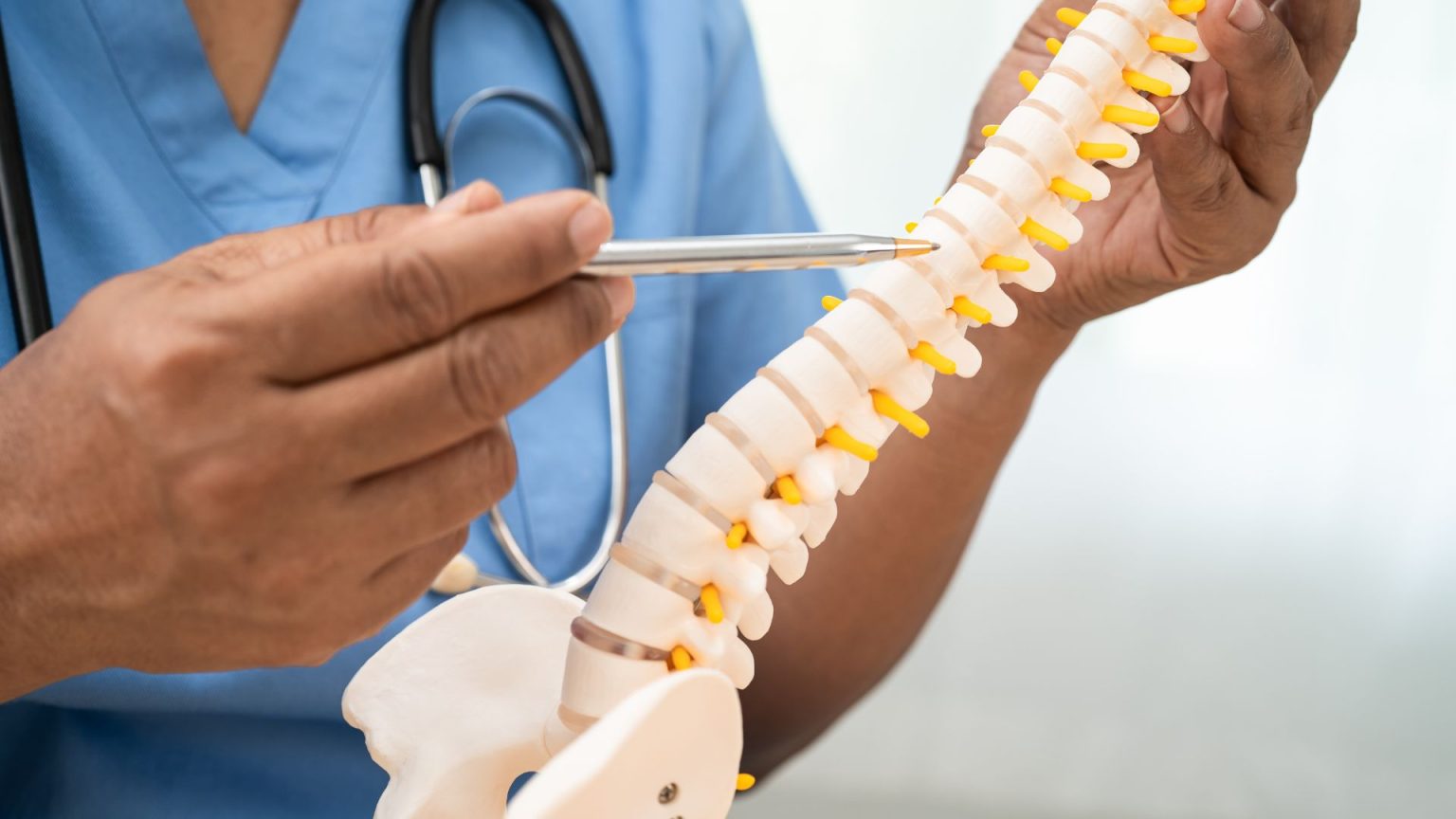
Recovering from a complex spinal cord injury (SCI) is never one-size-fits-all. These injuries can range in severity and presentation from complete paralysis to partial sensory or…
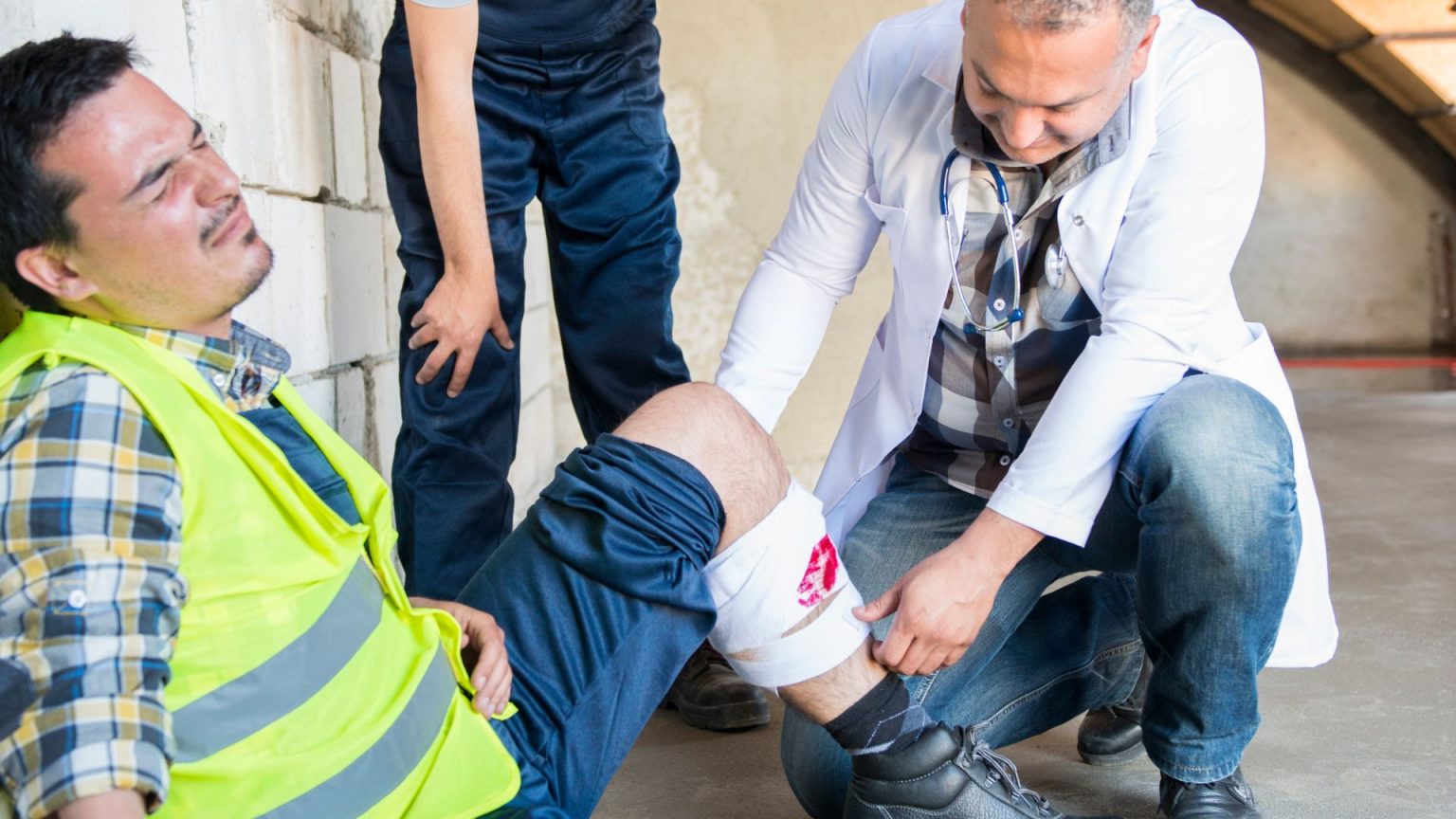
When someone is injured on the job, recovery is rarely as simple as rest and a few weeks of physical therapy. Especially for physically demanding occupations,…

In the United States, someone experiences a brain injury approximately every seven seconds. Despite growing awareness around concussion protocols, chronic traumatic encephalopathy (CTE), and blast injuries,…

In the medico-legal world, accurately determining whether a condition stems from a recent injury or was already present can significantly affect outcomes. The line between injury…

When a person experiences an injury or illness that impacts their ability to live independently, proper home health planning becomes essential. The transition from hospital to…

Each year millions of claims are submitted by workers who may have suffered a work-related injury or illness. The Bureau of Labor Statistics reported 2.8 million…

The battle of the bulge has been a losing battle for many as the obesity rate for Americans has steadily increased to over 40%. More and…

In the wake of COVID-19 healthcare professionals worldwide are experiencing drastic changes in how they work and care for their patients – changes which not only…

When a worker is injured on the job, it can be stressful for the worker, the employer, and even the claims adjuster or manager as they…

In January 2018, the American Heart Association published an estimate that 103 million U.S. adults have high blood pressure, which accounts for nearly half of all…

Last year (2019), in the state of Massachusetts, a little over 1,600 new workers compensation cases were filed. A number representing a very small percentage of the Massachusetts…

Workers’ compensation and case management are inextricable from the other. Medical management professionals involved in helping an employee travel the road to recovery and return safely…