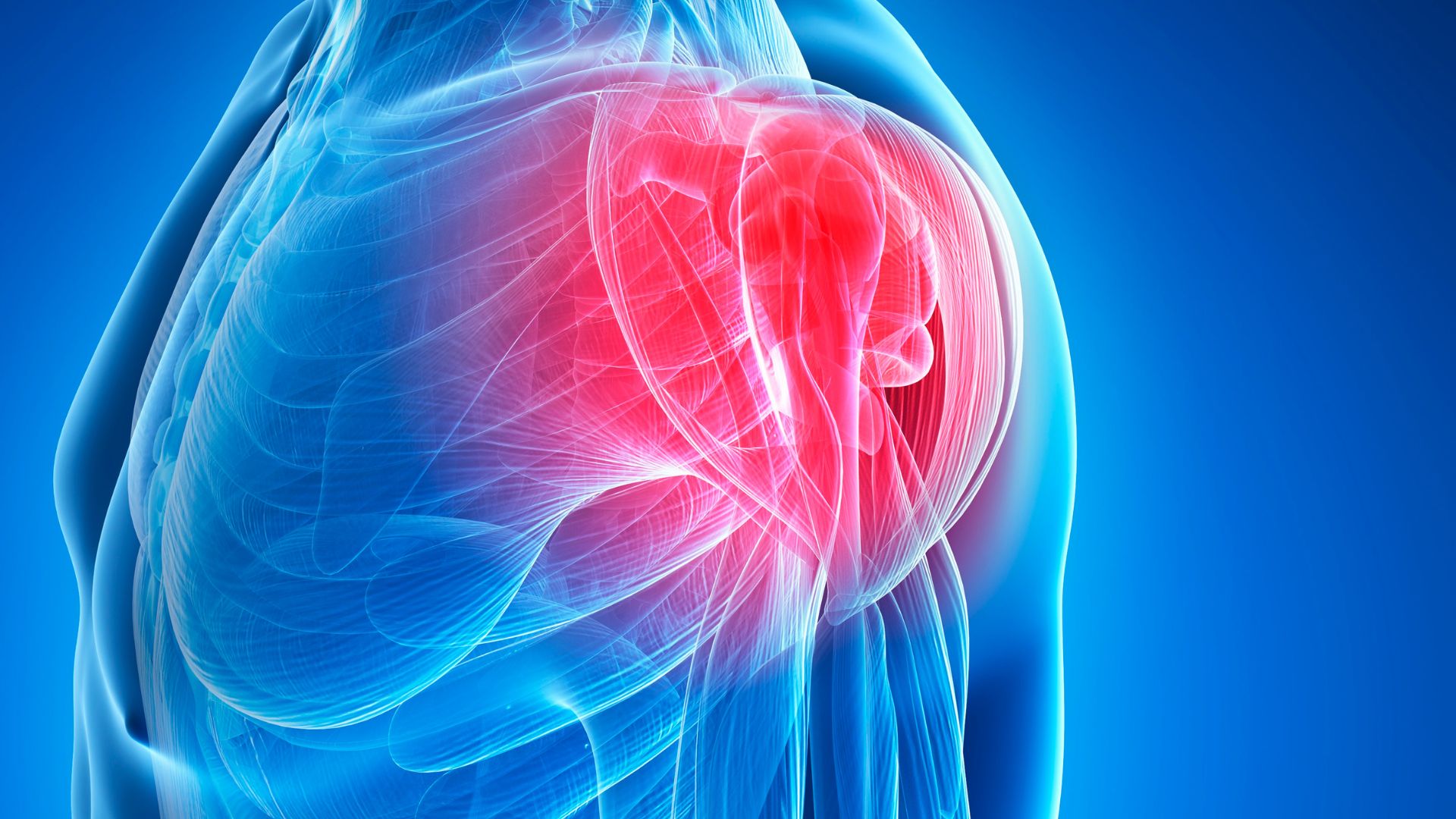
Introduction: Why Shoulder Labral and Biceps Injuries Matter
Labral tears and biceps tendon injuries are among the most frequently diagnosed shoulder conditions in individuals whose work or daily activities involve repetitive overhead motion, heavy lifting, or physically demanding labor. Because these injuries can significantly affect strength, stability, range of motion, and return-to-work capacity, accurate diagnosis and appropriate treatment planning are critical.
This article is based on the webinar session Shoulder Labral Tears & Biceps Tears featuring orthopedic specialist Dr. Sean Rocket, and explores the clinical complexities of shoulder labral and biceps tendon injuries commonly seen in orthopedic, personal injury, and workers’ compensation cases.
In this artice, we break down key insights from the session, including the anatomy behind these injuries, common mechanisms of injury, diagnostic challenges, conservative and surgical treatment options, and realistic recovery and return-to-work expectations for injured individuals and the professionals managing their care.
Understanding Shoulder Anatomy: Labrum and Biceps Connection
To understand these injuries, you need to start with anatomy. The labrum is a ring of cartilage that surrounds the shoulder socket (glenoid). It:
- Stabilizes the joint
- Serves as an attachment point for ligaments
The biceps tendon attaches to the top of the labrum (superior labrum), making the two structures closely connected.
Types of Labral Tears
Labral injuries are categorized based on location:
-
SLAP Tear (Superior Labrum Anterior to Posterior)
Involves the top of the labrum where the biceps attaches -
Bankart Tear
Occurs in the front (anterior-inferior) portion of the labrum, often linked to dislocations -
Posterior Labral Tear
Occurs in the back of the shoulder -
Degenerative Tears:
Caused by wear and tear rather than acute injury
Each type presents differently and requires a tailored treatment approach.
Common Causes of Labral and Biceps Injuries
These injuries often occur due to mechanical stress or trauma.
Workplace and Activity-Related Causes
- Falling onto an outstretched arm
- Heavy lifting away from the body
- Sudden traction (arm being pulled forcefully)
- Repetitive overhead activity
- Direct impact to the shoulder
In many cases, biceps tendon injuries and labral tears occur together, especially during high-force or repetitive movements.
Symptoms to Watch For
Recognizing symptoms early is key to proper diagnosis and treatment.
Common Symptoms Include:
- Deep shoulder pain
- Pain in the front of the shoulder (biceps region)
- Weakness with overhead movement
- Clicking or catching sensations
- Difficulty sleeping (especially on the affected side)
Patients often describe radiating pain down the arm or a feeling of instability in the shoulder.
How Shoulder Labral and Biceps Injuries Are Diagnosed
Accurate diagnosis is essential and not always straightforward.
Physical Examination Tests
Clinicians rely on several specialized tests:
- Speed’s Test – evaluates biceps tendon involvement
- O’Brien’s Test – helps identify SLAP tears
- Apprehension Test – detects instability
- Jobe Relocation Test – confirms labral involvement
Imaging Techniques
- X-rays: Rule out fractures, arthritis, or calcifications
- MRI: Identifies soft tissue damage
- MR Arthrogram: Improves detection of labral tears by injecting contrast fluid
However, imaging alone isn’t enough.
A key takeaway: MRI findings must always be correlated with clinical symptoms and physical exam results.
Conservative vs. Surgical Treatment: How Decisions Are Made
Not all shoulder injuries require surgery.
When Conservative Treatment Is Appropriate
Non-surgical management is typically recommended when:
- The tear is small or degenerative
- Symptoms are mild
- There is no instability
Conservative Treatment Options:
- Physical therapy (6–8 weeks)
- Anti-inflammatory medications
- Activity modification
- Occasional corticosteroid injections
Many patients return to full activity within 8–10 weeks with proper management.
When Surgery Is Necessary
Surgery is considered when:
- There is a complete tear or dislocation
- Symptoms persist after conservative care
- The patient performs high-demand physical work
- There is significant instability
Common Surgical Procedures:
Arthroscopic Labral Repair
Anchors and sutures reattach the labrum
Biceps Tenodesis
Reattaches the biceps tendon to the humerus
Preferred over SLAP repair in many cases due to better outcomes
Capsular Plication
Tightens the joint capsule in cases of instability without a tear
Recovery Timelines: What to Expect
Recovery varies depending on the injury and treatment method
Non-Surgical Recovery
| Phase | Timeline |
|---|---|
| Initial Recovery | 6–8 Weeks |
| Full Activity | 8–10 Weeks |
Surgical Recovery
| Procedure | Timeline |
|---|---|
| Labral Repair | 4–6 Months |
| Biceps Tenodesis | ~4 Months |
| Distal Biceps Repair | 3–5 Months |
Post-surgical rehabilitation includes:
- Sling use (4–6 weeks)
- Gradual strengthening (starting at 6 weeks)
- Functional rehab before return to work
Return-to-Work Planning: A Critical Component
One of the most important aspects of recovery is return-to-work (RTW) planning.
Key Principles:
- Set expectations early
- Maintain open communication between all stakeholders
- Use light-duty work whenever possible
- Align job demands with functional recovery
Early return to modified work:
- Reduces claim duration
- Improves outcomes
- Keeps patients engaged in recovery
Distal Biceps Injuries: A Different Challenge
Unlike proximal injuries (near the shoulder), distal biceps tears occur near the elbow.
Key Characteristics:
- Sudden “pop” during lifting
- Visible deformity
- Weakness in supination (rotating the forearm)
Treatment:
- Surgical repair is usually recommended for active individuals
- Ideally performed within 3 weeks to avoid complications
Recovery:
- Splinting followed by rehab
- Return to heavy labor in 3–5 months
Failure to treat can result in:
- 30–40% loss of supination strength
- Long-term functional limitations
Common Pitfalls That Delay Recovery
Several factors can prolong recovery and increase costs:
1. Delayed Diagnosis
Waiting weeks for imaging or specialist care can worsen outcomes.
2. Delayed Physical Therapy
Access issues or scheduling delays can stall progress.
3. Lack of Modified Duty
Patients out of work entirely often take longer to return.
4. Poor Communication
Misaligned expectations between providers, patients, and employers create setbacks.
Red Flags for Case Managers
Case managers play a critical role in identifying potential issues.
Watch For:
- Symptoms inconsistent with exam findings
- Repeated missed therapy appointments
- Lack of engagement in recovery
- Pain levels disproportionate to injury
Clarifying objective findings vs. subjective complaints helps guide appropriate care.
Key Takeaways for Better Outcomes
1. Not All Tears Require Surgery
Many labral injuries improve with conservative care.
2. Imaging Isn’t Everything
Clinical evaluation is just as important as MRI findings.
3. Early Intervention Matters
Timely diagnosis and therapy significantly improve outcomes.
4. Communication Is Critical
Coordinated care leads to faster recovery and fewer complications.
5. Return-to-Work Planning Should Start Early
Clear timelines reduce confusion and improve compliance.
Conclusion: A Smarter Approach to Shoulder Injury Management
Shoulder labral and biceps injuries can be complex but with the right approach, outcomes are highly favorable.
The most effective strategies combine:
- Accurate diagnosis
- Appropriate treatment selection
- Structured rehabilitation
- Proactive return-to-work planning
Need Support Managing a Complex Shoulder Injury Case?
Early intervention can make a significant difference in recovery outcomes, claim duration, and return-to-work success. Medical and Life Care Consulting provides experienced nurse case managers who coordinate care, facilitate communication among stakeholders, and help injured workers navigate the recovery process.
Whether you’re managing a routine claim or a complex shoulder injury involving surgical intervention, our team can help ensure appropriate treatment, timely recovery, and a safe return to work.
Schedule a consultation today to learn how our case management services can support your injured workers and claims program.