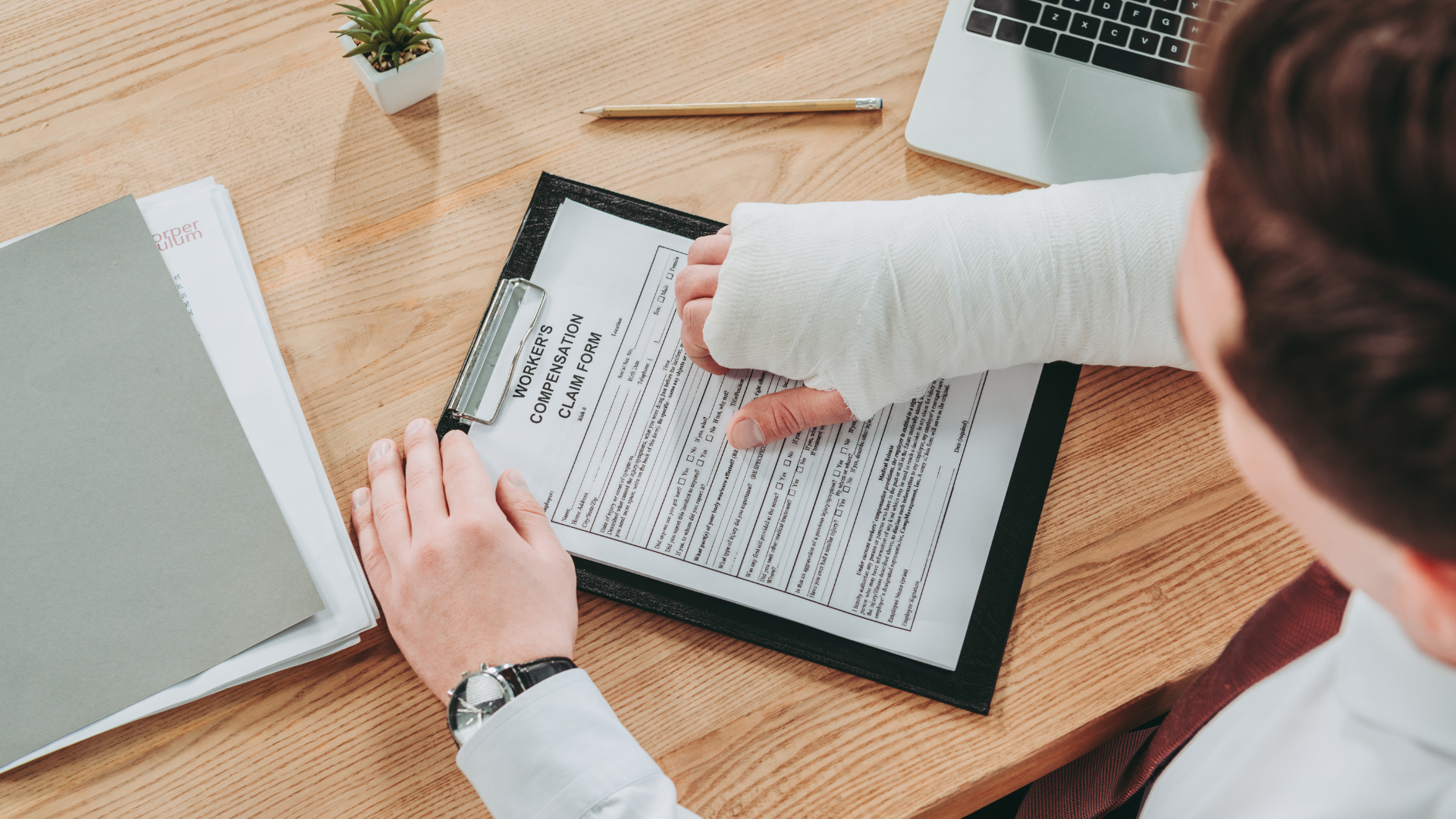
A worker reaches for a falling box, feels a pop in the elbow, and within weeks their file has stalled, not because the injury is unusual, but because no one addressed the psychological and logistical pieces early enough. Upper extremity injuries are some of the most common claims a case manager will see, and also some of the most misunderstood.
In our recap of Top Insights on Upper Extremity Injuries: From Diagnosis to Recovery, we walked through the clinical highlights Dr. Charles Cassidy of Tufts University School of Medicine shared during our Injury Insight webinar series diagnosis, imaging, steroid injections, and surgical options.
This companion piece takes that same session and turns it toward the questions claims professionals and case managers actually have to answer day to day:
- How long will this worker be out?
- What should trigger closer case management involvement?
- And where does recovery typically go off track?
Why Hand and Arm Injuries Derail Claims So Often
Dr. Cassidy opened his presentation with the homunculus, the classic neurological map showing just how much brain real estate is devoted to the hand relative to its size. That disproportionate representation helps explain something case managers see constantly: injuries that look modest on imaging can still produce outsized distress, guarding behavior, and fear of re-injury.

He specifically called out catastrophization, the belief that pain signals permanent damage as a leading barrier to recovery. Practical warning signs include a patient who avoids using the injured hand entirely, fills out paperwork with the wrong hand, or holds a finger in an unusual, guarded position. None of these are necessarily malingering, but they are a signal that the psychological side of the injury needs attention just as much as the physical side, and that it needs attention early.
Injury-by-Injury: What Recovery Actually Looks Like
Distal biceps rupture.
Most common in male laborers in their 40s and 50s, this injury typically occurs from an eccentric load while catching or lifting something heavy. Surgical repair, most commonly using cortical button fixation, provides the strongest fixation and allows immediate light motion. However, true strengthening does not begin until six to eight weeks after surgery. For laborers without access to light duty, a return to full, unrestricted work is often closer to four months. Roughly 40% of patients experience some transient forearm numbness afterward. It is usually not disabling, but it is worth discussing before surgery so it is not mistaken for a complication.
Lateral epicondylitis ("tennis elbow").
Despite the name, only about 5% of patients who develop this condition actually play tennis. Repetitive loading at work is a much more common cause. There is a broad range of non-surgical treatment options, including splinting, therapy, injections, and platelet-rich plasma (PRP).
Recovery is often slower than people expect, with only about one-third of untreated patients becoming completely symptom-free within one to five years. When surgery is necessary, both arthroscopic and open release produce good outcomes. However, complete pain resolution, not just symptom improvement, occurs in fewer patients than overall success rates may suggest. Setting realistic expectations before the claim reaches that stage can help avoid disappointment.
Cubital tunnel syndrome (ulnar nerve).
The hallmark symptom is numbness in the ring and small fingers on both the palm and the back of the hand. If numbness is present on only one side of the hand, the compression is more likely occurring at the wrist. Timing is especially important with this injury. Patients treated during the earliest, sensory-only stage have the best chance of full recovery, while those who progress to muscle weakness and wasting often do not regain full function, even after surgery. In-office (in situ) decompression offers a faster return-to-work timeline and fewer complications than nerve transposition, which is typically reserved for specific situations such as an unstable nerve or revision surgery.
Carpal tunnel syndrome.
The most common of these conditions, and often the most treatable, carpal tunnel syndrome responds well to a range of conservative treatments. A good response to a corticosteroid injection is a strong predictor of surgical success if an operation is needed later, making it useful information for adjusters evaluating treatment options. Night splinting is supported by strong clinical evidence, and EMG and nerve conduction studies are recommended before surgery on any work-related claim. Following surgery, most patients require far fewer opioid pain medications than they are typically prescribed.
Red Flags That Should Trigger Earlier Case Management Involvement
- Guarding, hand non-use, or unusual posturing. Patients who avoid using the injured hand, hold it in an unusual position, or rely heavily on the unaffected hand may be exhibiting catastrophizing rather than simply pain. Identifying these behaviors early can help address fear and improve recovery outcomes.
- Numbness that does not follow a single nerve distribution. Sensory complaints extending beyond the expected pattern for the median or ulnar nerve may indicate an alternative diagnosis, such as cervical radiculopathy or thoracic outlet syndrome, and should prompt earlier diagnostic testing, including EMG and nerve conduction studies when appropriate.
- No light-duty work available for employees with prolonged recovery timelines. For injuries such as distal biceps tendon repair, workers performing heavy labor may be unable to return to unrestricted duties for approximately four months if modified work is unavailable. Early coordination with employers can help reduce unnecessary time away from work.
- Expressions of fear or hopelessness about recovery. Statements such as "My hand will never get better" or disproportionate concern about pain can signal catastrophizing, a recognized barrier to rehabilitation that should be addressed early through education, reassurance, and coordinated care.
- Delays in specialist evaluation after the initial injury. Prompt referral to a hand specialist is critical. Dr. Cassidy noted that his fracture program is designed so patients are evaluated within a maximum of six days after emergency department presentation, recognizing that unnecessary delays can adversely affect treatment and recovery planning.
Where Case Management Makes the Difference
Every injury discussed above has a straightforward recovery path and a more complicated one. In many cases, the difference is not the surgery itself, but what happens in the weeks before and after treatment. Coordinating an early specialist evaluation, setting realistic recovery expectations well before the day of surgery, arranging light-duty or modified work, and recognizing catastrophizing behaviors before they become barriers to recovery are all critical aspects of effective case management.
That level of coordination is at the core of our case management services. Our certified nurse case managers connect injured workers, treating providers, employers, and claims professionals from the initial medical evaluation through a safe and successful return to work. The goal is to facilitate recovery, reduce unnecessary delays, and help shorten claim duration without compromising clinical outcomes.
If your organization is managing upper extremity claims that have stalled, or you need an experienced specialist matched to a case quickly, our team can help. Contact Medical and Life Care Consulting Services to discuss your case management needs and the next steps toward a more efficient recovery process.