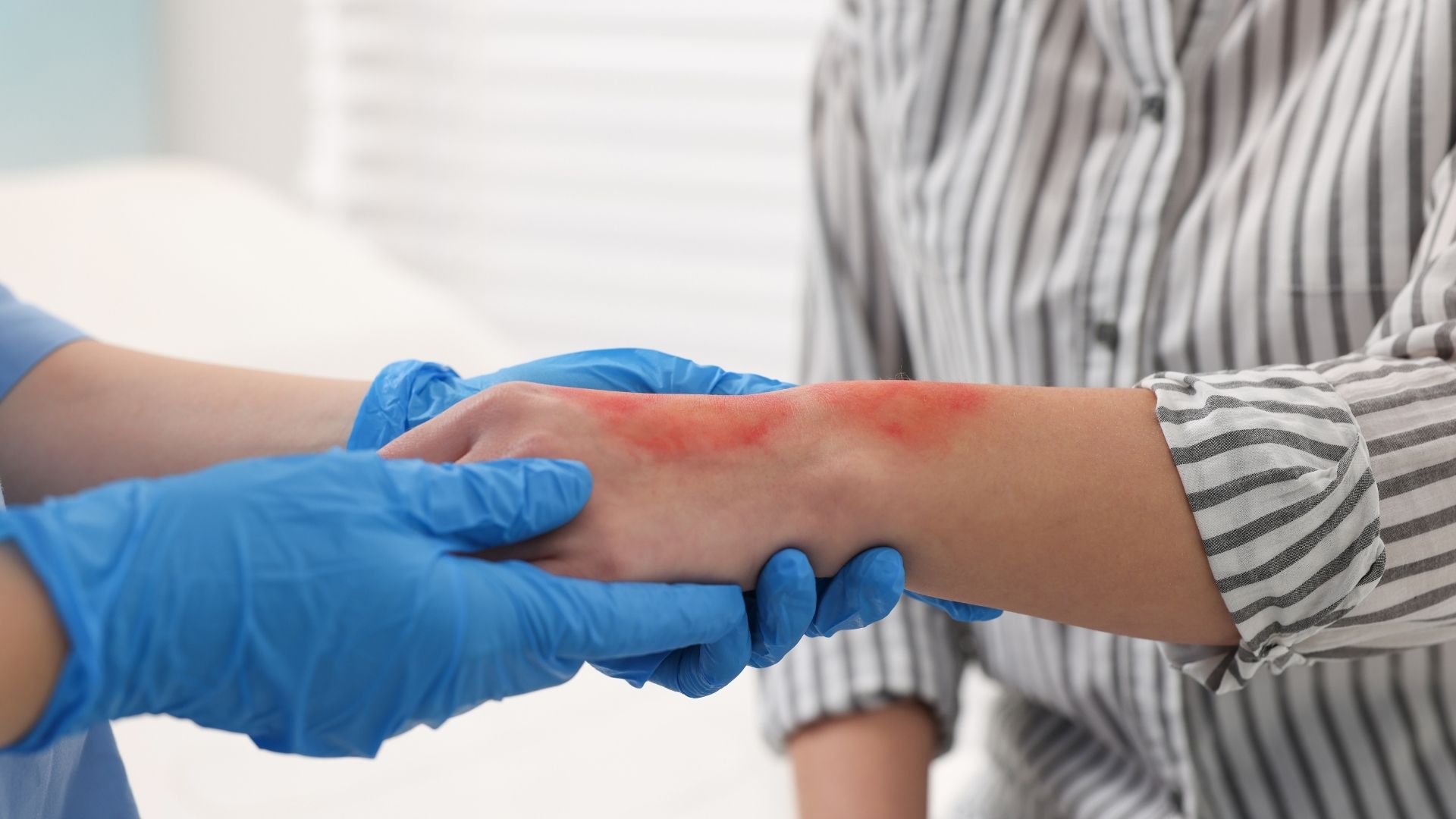
Severe burn injuries represent one of the most medically complex and life-altering forms of trauma encountered in clinical and medico-legal practice. While advances in acute burn care have significantly improved survival rates, survival is only the beginning of a long and often lifelong recovery process. Patients with moderate to severe burns frequently require years of medical treatment, rehabilitation, surgical intervention, psychological support, and adaptive strategies to manage functional limitations and secondary complications.
This article provides a detailed, clinically grounded examination of long-term treatment considerations for patients with severe burns, based directly on an educational webinar presented by Cindy Fleury, Director of Education and Professional Development at Medical and Life Care Consulting Services. The content reflects real-world burn management, rehabilitation realities, and life care planning considerations relevant to attorneys, claims professionals, and healthcare stakeholders.
Defining Burn Injuries
A burn is defined as damaged tissue caused by exposure to heat, chemicals, electricity, radiation, or sunlight. In the United States, nearly half a million individuals seek medical treatment for accidental burns each year. More than 300 children per day receive emergency care for burn injuries. Without timely and appropriate treatment, burns can lead to infection, systemic complications, and permanent disability.
Types and Severity of Burns
Burns are classified by depth and by the percentage of total body surface area (TBSA) affected.
First-Degree Burns
First-degree burns involve only the outermost layer of skin, the epidermis. These burns resemble sunburns, causing redness and pain without blistering. They typically heal without significant intervention.
Second-Degree Burns
Second-degree burns involve both the epidermis and the dermis. These injuries are painful and commonly present with redness, swelling, and blistering. Treatment often includes topical antibiotic ointments or creams to maintain moisture and prevent infection. Daily dressing changes are frequently required and can be painful.
Third-Degree Burns
Third-degree burns are full-thickness injuries involving the epidermis, dermis, and underlying fat (hypodermis). These burns destroy hair follicles, sweat glands, and nerve endings and may extend into muscle, tendon, or bone. Because nerve endings are damaged, the burn itself may not be painful, though surrounding areas often are. The skin may appear white, black, red, or leathery. Third-degree burns are life-threatening and require specialized care.
Burn Classification by Body Surface Area
- First- and second-degree burns covering less than 10% of the body are generally considered minor and rarely require hospitalization.
- Second-degree burns involving approximately 10% of the body are classified as moderate.
- Third-degree burns covering more than 1% of the body are considered severe and typically require hospitalization and surgical intervention.
Initial Treatment and Acute Burn Care
Minor Burns
First-degree burns are typically managed with cool running water and soothing topical agents such as aloe vera.
Moderate Burns
Second-degree burns require infection prevention through antibiotic ointments or creams, moisture maintenance, and regular dressing changes.
Severe Burns
Third-degree burns, particularly those exceeding 20% TBSA, require aggressive medical intervention, including:
- Fluid resuscitation with large volumes of intravenous fluids to maintain blood pressure and prevent dehydration and shock
- Debridement, or removal of dead tissue, usually within 96 hours to reduce infection risk
- Skin grafting, which is delayed until swelling subsides
- Cardiac monitoring, pain management, and infection control
- Nutritional support, often through enteral feeding
First- and second-degree burns generally heal within two to three weeks. Third-degree burns require long-term, often lifelong, medical management.
Skin Grafting and Reconstruction
Skin grafting is a cornerstone of burn treatment. The choice between graft types depends on wound location, size, depth, functional importance, and cosmetic considerations.
Split-Thickness Skin Grafts
These grafts include the epidermis and a portion of the dermis. They are used for large wounds when full-thickness grafts are not feasible. Split-thickness grafts tend to shrink more during healing and are less suitable for highly visible areas such as the face. Meshing may be used to expand coverage but leaves a permanent mesh pattern.
Full-Thickness Skin Grafts
Full-thickness grafts include both the epidermis and dermis and are used for smaller areas requiring better cosmetic and functional outcomes, such as the face, hands, mouth, eyes, and fingers. These grafts shrink the least and are often used later in recovery for reconstructive surgeries. Donor sites are closed surgically.
Sheet Grafts
Sheet grafts are applied intact without meshing. They are commonly used on the face, neck, hands, and feet to improve appearance and reduce contractures. These grafts require close monitoring and may necessitate larger donor sites.
Meshed Grafts
Meshed grafts are expanded using small slits to cover larger areas. While effective for extensive wounds, they leave a permanent mesh appearance and heal as new skin fills the gaps over days or weeks.
Allografts vs. Autografts
- Allografts are temporary grafts derived from cadaver or artificial sources. They reduce fluid loss and infection risk but are eventually rejected by the body and must be replaced.
- Autografts use the patient’s own skin from non-burned donor sites. Donor sites can be reused once healed.
Smoke Inhalation Injuries
Smoke inhalation may complicate burn injuries through:
- Carbon monoxide poisoning
- Toxic chemical exposure damaging airways and lungsnt’s own skin from non-burned donor sites. Donor sites can be reused once healed.
- Thermal injury to the mouth and throat
While most patients do not develop long-term respiratory impairment, rare complications may include tracheal stenosis, bronchiectasis, interstitial fibrosis, reactive airway disease, and bronchiolitis.
Potential Complications of Severe Burns
Severe burns are associated with numerous systemic and long-term complications, including:
- Cardiac arrhythmias
- Dehydration leading to organ failure
- Hypotension and shock
- Severe infections and sepsis, sometimes resulting in amputation
- Acute respiratory distress syndrome
- Multi-organ dysfunction
- Compartment syndrome requiring escharotomy or fasciotomy
- Chronic pain and hypersensitivity
- Sleep disorders
- Anxiety, depression, and post-traumatic stress disorder
- Addiction related to prolonged medication use
- Lymphedema due to lymphatic system destruction
- Thermoregulation problems due to loss of sweat glands
- Excessive sweating in unaffected areas
- Sexual dysfunction
Hypertrophic Scarring and Contractures
Hypertrophic scarring is the most common complication following burn injuries. These raised scars remain within the boundaries of the original burn and can significantly limit function and affect body image.
Scarring risk correlates with healing time:
- Burns healing in under 14 days rarely scar
- Burns healing in 14–21 days have moderate risk
- Burns healing beyond 21 days carry a high risk and often require grafting
Functional Impact of Scarring
- Joint contractures limiting movement
- Difficulty with walking, sitting, grooming, eating, dressing, and bathing
- Reduced independence
- Social avoidance, isolation, and diminished quality of life
Treatments for Hypertrophic Scarring
No single treatment is universally effective. Management often requires multiple interventions, including:
- Compression garments worn up to 23 hours per day
- Silicone gel sheets
- Custom splints or inserts
- Massage and stretching
- Laser therapy
- Kenalog injections
- Surgical scar releases
Compression garments may reduce itching and protect fragile skin even if scar appearance does not significantly improve
Chronic Itching and Skin Care
Burn injuries destroy oil glands, resulting in chronic dryness. Abnormal collagen structure may trap nerve endings, intensifying itching. Larger burns correlate with increased itching severity.
Management strategies include:
- Frequent use of unscented, fragrance-free moisturizers
- Massage and firm pressure on scars
- Compression garments
- Neuropathic medications such as gabapentin-based therapies
- Antihistamines as adjunct treatment
Mineral oil, petroleum jelly, and antibiotic ointments should not be used due to the risk of allergic reactions and skin breakdown.
Sun Exposure and Skin Protection
Healing burn scars are highly sensitive to sunlight and prone to discoloration and injury. Patients should
- Avoid peak sun hours
- Use sunscreen with SPF 30 or higher
- Wear protective clothing and hats
Long-Term Treatment Considerations
Long-term care for burn survivors may include:
- Ongoing physical and occupational therapy
- Casting or splinting to maintain stretch positions
- Massage therapy for lymphatic drainage and tissue mobility
- Therapy following surgical or laser interventions
- Compression garments and silicone sheeting
- Reconstructive surgeries and contracture releases
- Laser treatments and Kenalog injections
- Psychological counseling
- Addiction treatment
- Wound clinic evaluations
- Visiting nurse services
- UV-protective clothing
- Lifelong use of moisturizers
Functional and Home Care Considerations
Burn survivors may experience significant mobility and self-care challenges. Considerations include:
- Assistance with activities of daily living and instrumental activities
- Home modifications such as walk-in showers and stair lifts
- Durable medical equipment for ambulation and endurance
- Wheelchairs or scooters for long distances
- Thermal or cooling clothing for temperature regulation
Medication and Specialist Needs
Long-term care may involve:
- Neuropathic pain medications
- Antihistamines
- Dermatology follow-up due to increased skin cancer risk
- Pulmonology care if respiratory involvement occurred
- Pulmonary function testing and respiratory treatments
Pediatric Considerations
In pediatric burn patients, growth and development must be considered. Children often require repeated surgeries and adjustments to treatment plans as they grow.
Case Study: Severe Burn Injury and Life Care Planning
A 50-year-old woman sustained 65% TBSA third-degree burns affecting the neck, torso, and all extremities. Despite wearing a respirator and avoiding airway injury, she required intubation, extensive fluid resuscitation, pain management, psychiatric care, nutritional support, and prolonged hospitalization.
She underwent more than 25 surgeries, including escharotomies, grafting, laser treatments, and contracture releases, with additional procedures anticipated. Her complications included anemia, kidney injury, electrolyte imbalances, infections, pneumonia, chronic depression, neuropathic pain, hypertrophic scarring, hypersensitivity, contractures, and temperature intolerance.
Her life care plan included:
- Ongoing therapy and splinting
- Specialist care across multiple disciplines
- Diagnostic monitoring
- Durable medical equipment
- Home care services
- Medications for pain, itching, and vitamin deficiencies
Conclusion
Severe burn injuries require long-term, coordinated care that extends far beyond the acute phase of treatment. The medical, functional, and psychological consequences evolve over time, making accurate assessment of future needs essential in both clinical and medico-legal settings.
Medical and Life Care Consulting Services supports burn-related cases through comprehensive life care planning, medical cost projections, and expert clinical analysis. Our team of experienced nurse case managers and nurse life care planners brings a deep understanding of catastrophic burn injuries and the long-term challenges survivors face.