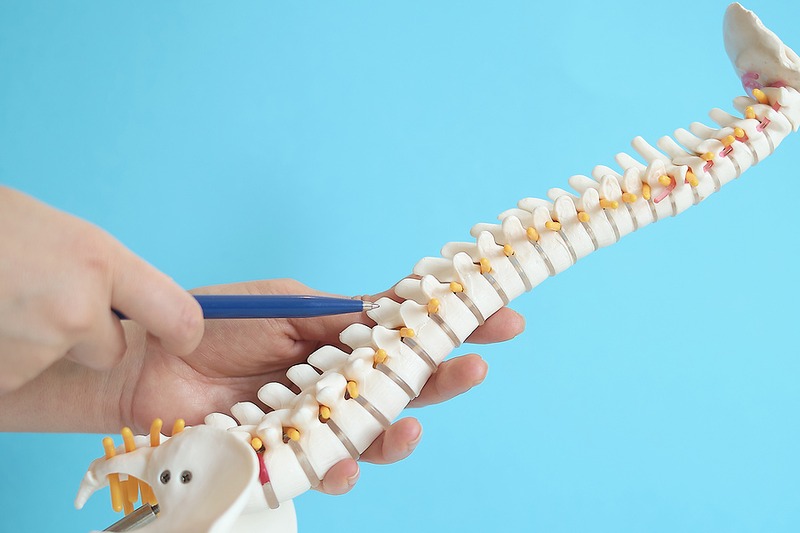
Spinal cord injury is among the most complex and consequential diagnoses encountered in medical and legal practice. The neurologic level of injury, combined with whether the injury is complete or incomplete, determines not only functional capacity but also the scope, intensity, and duration of lifelong medical and supportive care needs.
Any serious discussion of life care planning in spinal cord injury must begin with a disciplined understanding of anatomy, classification systems, and predictable complication patterns. Without this foundation, projections lack clinical credibility.
This analysis is informed by a professional educational webinar presented by Cynthia Bourbeau, RN, CRRN, CCM, CNLCP, CHLCP President and Founder of Medical & Life Care Consulting Services Inc., and April Pettingill, RN, CRRN, CDMS, CNLCP, MSCC, CBIS, CPB, an experienced nurse life care planner with extensive background in catastrophic injury case management. Their presentation examined the functional distinctions between cervical, thoracic, and lumbar spinal cord injuries and the corresponding implications for long term care planning. The clinical framework discussed aligns with epidemiologic data from the National Spinal Cord Injury Statistical Center and neurologic standards established by the American Spinal Injury Association.
Epidemiology and Clinical Context
Data from the National Spinal Cord Injury Statistical Center, housed at the University of Alabama at Birmingham, demonstrate that spinal cord injuries disproportionately affect young males. Nearly half of injuries occur between ages 16 and 30, and motor vehicle accidents and falls remain the predominant mechanisms.
From a life care planning perspective, the age at injury significantly influences cost projections and duration of services. A young adult with a high cervical injury may require decades of coordinated medical oversight, equipment replacement, and attendant care.
Neuroanatomy and Functional Organization
The spinal cord serves as the primary conduit between the brain and the peripheral nervous system. It is divided into cervical, thoracic, lumbar, and sacral segments. Descending motor tracts initiate voluntary movement. Ascending sensory tracts transmit information regarding touch, temperature, pain, and position. Autonomic pathways regulate involuntary physiologic functions including blood pressure, bowel and bladder activity, and sweating, to name a few.
When these pathways are interrupted, neurologic deficits manifest below the level of injury. The degree of impairment depends upon the specific tracts involved and whether neural transmission is completely or partially preserved.
Classification and the Significance of Completeness
The American Spinal Injury Association developed the ASIA Impairment Scale to standardize neurologic assessment. Injuries are categorized from ASIA A, representing complete loss of motor and sensory function below the injury, to ASIA E, indicating normal neurologic function following recovery.
For life care planning, completeness of injury frequently carries more prognostic weight than the anatomic level alone. Two individuals with injuries at C6 may have markedly different functional outcomes depending on preserved motor strength and sacral sparing. Residual neurologic function directly affects independence, equipment requirements, and attendant care intensity.
Autonomic Dysregulation and Systemic Risk
In injuries above T6, autonomic dysreflexia represents a serious and potentially life threatening complication. A noxious stimulus below the level of injury such as bladder distention, bowel impaction, or skin irritation can provoke an exaggerated sympathetic response. Because inhibitory regulation from the brain cannot effectively pass through the injured cord, blood pressure may rise abruptly.
Clinical manifestations include severe headache, flushing, sweating, and a sense of malaise. Prompt identification and removal of the precipitating stimulus are essential. Education and preventive protocols are critical components of long term planning.
Cervical Spinal Cord Injuries
Cervical injuries result in tetraplegia and may compromise respiratory function depending on level.
Injuries at C1 through C3 frequently produce ventilator dependence and require total assistance with activities of daily living. Communication may depend on assistive technologies such as eye gaze systems. Continuous attendant care is typically necessary.
At C4 and C5, head control improves and limited shoulder and elbow function may be preserved. Adaptive equipment and structured therapy can enhance participation in feeding and grooming, though power mobility is usually required.
C6 and C7 injuries allow increasing wrist and elbow control, facilitating more independent transfers and pressure relief techniques. Over time, repetitive upper extremity use often leads to degenerative shoulder conditions that must be anticipated in projections.
C8 and T1 injuries may allow functional hand use, significantly increasing independence. Nonetheless, neurogenic bowel and bladder dysfunction remains a chronic management issue.
Thoracic Spinal Cord Injuries
Thoracic injuries generally preserve upper extremity function while impairing trunk stability and lower extremity movement. Many individuals achieve substantial independence in mobility and self care through manual wheelchair use.
However, medical vulnerability persists. Pressure injuries remain among the most serious and costly complications. Prevention through appropriate seating systems, routine skin inspection, and scheduled pressure relief is essential to reduce morbidity and long term cost.
Bowel and bladder programs are often self managed at this level, yet urinary tract infections and skin breakdown remain common reasons for hospitalization.
Lumbar and Cauda Equina Injuries
The spinal cord terminates near L1 to L2, below which nerve roots form the cauda equina. Injuries in this region frequently produce partial motor deficits rather than complete paralysis.
Ambulation with braces, walkers, or crutches may be possible depending on residual strength. Bowel and bladder dysfunction may persist and requires structured management. Although attendant care needs are typically lower than in cervical injuries, careful urologic monitoring and musculoskeletal management remain important.
Long Term Care Planning Principles
Spinal cord injury demands individualized, medically informed planning. Therapy often continues beyond initial rehabilitation, with periodic reassessment required to prevent contractures and address progressive musculoskeletal strain.
Medical management may involve primary care, physiatry, urology, pulmonology, and additional specialties as indicated. Diagnostic monitoring frequently includes laboratory testing, renal imaging, urodynamic studies, bone density evaluation, and imaging of overused joints.
Durable medical equipment must be replaced and maintained on predictable schedules. Power mobility systems, lifts, hospital beds, and respiratory equipment represent recurring lifetime needs rather than single purchases.
For high cervical injuries, respiratory support and continuous attendant care are frequently medically necessary. Architectural modifications and transportation adaptations must be incorporated into comprehensive life care planning.
Conclusion
Spinal cord injury is a lifelong neurologic condition with evolving medical and functional consequences. Level of injury, completeness, age at onset, and complication history collectively shape long term outcomes.
As emphasized in the clinical presentation by Ms. Bourbeau and Ms. Pettingill, credible life care planning requires rigorous analysis of neurologic function, complication risk, and anticipated medical progression. Precision in projection ensures that individuals living with spinal cord injury have access to the resources necessary to preserve health, prevent avoidable deterioration, and maintain dignity throughout their lifespan.