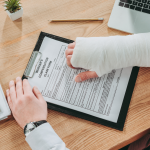
The timing of case management can influence how effectively a claim moves forward.
When an injury or illness affects an employee’s ability to work, multiple priorities begin moving at once. Medical treatment needs to be coordinated. Providers may need additional information. Work restrictions may change. Adjusters need updates. Employers need to understand what the employee can safely do. And the injured worker may have questions about what comes next.
Without consistent coordination, important details can become disconnected.
Early nurse case management provides a structured way to bring those moving parts together, helping the people involved in a claim understand the current situation, identify potential barriers, and keep the recovery process moving.
Why Timing Matters in Case Management
Case management does not have to begin only after a claim becomes difficult.
In many situations, involving a nurse case manager early can help establish communication and direction before delays or gaps in care become more difficult to address.
Early involvement may help the case manager:
- Review the available medical information and understand the nature of the injury or illness
- Communicate with treating providers and other members of the care team
- Monitor treatment recommendations and progress
- Identify potential barriers to recovery
- Clarify functional restrictions and workplace considerations
- Keep adjusters and employers informed of meaningful developments
- Help coordinate the services and resources needed throughout recovery
The goal is not to take over the roles of the treating provider, employer, or claims professional. Instead, the nurse case manager helps connect those roles so that everyone has access to the information needed to make informed decisions.
What Can Happen When Coordination Starts Late?
Every claim is different, and not every delay can be prevented through case management. However, gaps in communication or coordination can make it more difficult to maintain momentum.
For example, a treatment recommendation may require follow-up that has not yet been scheduled. A work restriction may change without everyone involved receiving the same information. An injured worker may encounter a barrier to treatment or rehabilitation that is not immediately visible to the rest of the team.
These situations can create uncertainty and make it harder to determine what should happen next.
A nurse case manager can help identify these issues, communicate with the appropriate parties, and keep the case organized as circumstances change.
Case Management Is About More Than Monitoring Treatment
Effective case management involves more than tracking medical appointments. A nurse case manager looks at how medical care, functional recovery, communication, and practical needs intersect throughout the claim.
Depending on the circumstances, this may involve coordinating with:
- Injured workers and their families
- Treating physicians and specialists
- Rehabilitation professionals
- Employers
- Adjusters and claims professionals
- Other providers involved in the individual’s care
This coordination creates a more connected view of the claim and can help stakeholders understand how medical recommendations relate to the individual’s recovery and ability to participate in work or daily activities.
Identifying Barriers Before They Become Setbacks
Recovery does not always follow a straight line.
An individual may experience changes in symptoms, treatment recommendations, functional abilities, or personal circumstances. Workplace demands may also change, particularly when an employee needs modified duties or other accommodations during recovery.
Identifying these issues early gives the care team an opportunity to address them proactively.
For example, a case manager may recognize that an injured worker needs additional support coordinating an appointment, communicating restrictions, accessing a recommended service, or understanding the next stage of treatment.Addressing these concerns as they arise can help maintain continuity and reduce unnecessary uncertainty throughout the claim.
Connecting Medical Care With the Workplace
For employees who are expected to return to work, understanding the relationship between medical recovery and workplace demands is especially important.
A treatment plan may be medically appropriate, but the practical question is how the individual’s current abilities relate to the essential demands of the job.
This is where communication between healthcare providers, employers, claims professionals, rehabilitation professionals, and the injured worker becomes particularly important.
Our previous article, How Case Management Supports Return-to-Work Success, explores this connection in greater detail, including the role of communication, recovery barriers, workplace factors, and structured return-to-work planning.
The broader point is that return-to-work planning is one part of a much larger recovery process. Strong coordination begins well before the actual transition back to the workplace.
Field and Telephonic Case Management for Different Needs
Not every claim requires the same level or type of involvement.
Depending on the complexity of the case, geography, and needs of the program, case management may be provided through field or telephonic services.
Field case management can provide direct involvement with the injured worker and care team, while telephonic case management can provide ongoing coordination and communication remotely.
Both approaches can support the same fundamental objective: keeping the right people informed and helping coordinate the next steps in the recovery process.
Medical & Life Care Consulting Services provides field and telephonic nurse case management, along with workers’ compensation claims triage, major medical case management, stay-in-work and light-duty programs, short-term disability management, and long-term disability management.
Explore our Case Management Services to learn more about how these services can support different types of claims.
A Proactive Approach Can Create a More Coordinated Claim
Case management is most effective when it is treated as an ongoing process rather than a response to a problem that has already developed.
Early assessment, consistent communication, coordination with providers, and attention to changing needs can give stakeholders a clearer understanding of where a claim stands and what needs to happen next.
For injured workers, that may mean having someone help navigate the healthcare and rehabilitation process. For employers and claims professionals, it can mean having a more organized view of medical progress, functional status, and the factors affecting recovery.
Ultimately, effective case management is about keeping care, communication, and next steps connected.
Need Support With a Claim?
Every case has its own medical, functional, and workplace considerations. If you are looking for experienced nurse case management support, Medical & Life Care Consulting Services can help assess your needs and identify an appropriate approach.
Request a complimentary consultation to speak with our team about your case management needs and discuss how our field and telephonic services may support the claim from the early stages of recovery through resolution.
Request a Complimentary Consultation